
Setting Financial Boundaries
One of the most important habits any responsible gambler can develop is creating and honoring clear financial limits. Without them, it’s incredibly easy to lose track of spending and fall into unhealthy patterns.
Create a Fixed Budget
Before you even place a single bet, define how much money you’re willing to spend. This is your gambling budget not your emergency fund, not your rent money purely recreational spending.
Decide on a set amount you’re comfortable losing
Treat it the same way you’d budget for a concert, movie, or night out
Separate Gambling Money from Everyday Finances
One of the biggest mistakes gamblers make is mixing personal or household funds with gambling money. Keep them entirely separate.
Use a dedicated card, e wallet, or cash only envelope
Never dip into rent, groceries, bills, or savings accounts
Stick to Loss Limits
Set strict boundaries for how much you can afford to lose per session, day, week, or month and stick to them.
Loss limits prevent emotional spending and impulse chasing
Once you hit your limit, walk away (no exceptions)
Why Chasing Losses is a Trap
Trying to win back money you’ve lost is a fast track to bigger problems. It often leads to riskier bets, poor decisions, and deeper financial damage.
Recognize when frustration starts to influence your play
Shift your mindset: losing is part of the entertainment cost
Use Digital Tools to Stay Accountable
There are plenty of tools designed to help monitor gambling activity and stay in control. Use what works for you.
Apps that set spending limits and send alerts when you near them
Platforms that offer self exclusion or cool off periods
For additional strategies on managing your gambling behaviors: Read more: gambling management tips
Managing Time at the Table or Screen
Time control separates intentional gamblers from impulsive ones. Before you even sit down, decide how long you’re going to play. Not a rough guess set a limit. One hour? Ninety minutes? Stick to it.
Use a timer or alarm, because your brain won’t notice how fast time moves when you’re locked in. These sessions can stretch if you’re chasing a win or worse, chasing a loss. Scheduled breaks help reset your judgment. Step away, stretch, get outside air. You’ll make better calls when your head is clear.
Watch for red flags. If you’re skipping meals, pushing back plans, or losing track of time entirely, gambling may be creeping into daily life more than it should. Fatigue and stress are also big red lights. They don’t just ruin decision making they trick you into thinking, “just one more hand.”
When in doubt, shut it down for the day. Because control isn’t about winning more. It’s about knowing when to stop.
Strategies Gamblers Use to Stay in Control
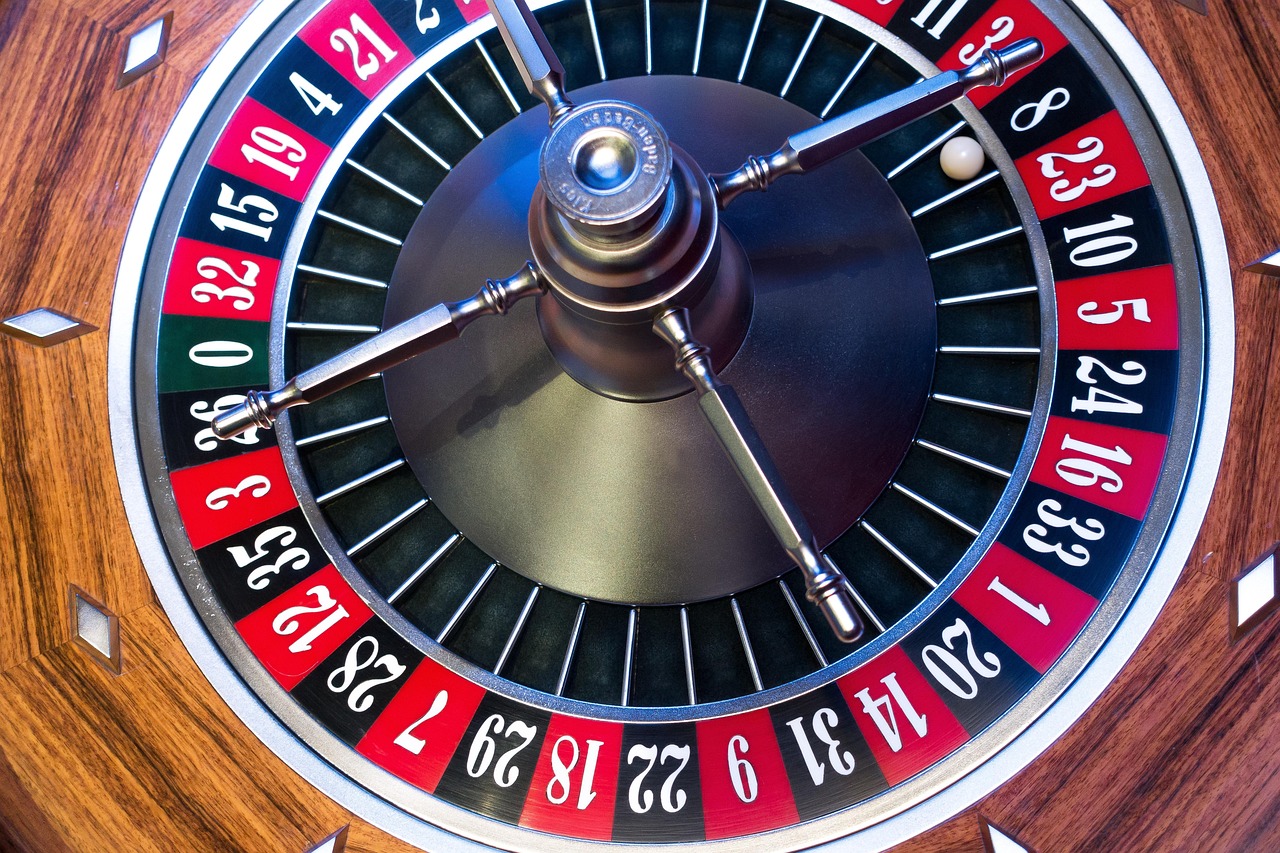
Chasing wins is a fast track to burnout. It feels productive, but it’s emotional fuel, not strategy. Instead, set clear session goals before you even place a bet. For example: play for one hour, try two new games, or stick to a strict bankroll rule. These types of goals shift your focus from outcomes to behavior. It’s about the process something you control.
After a big win or loss, use the 24 hour pause rule. Walk away. Let the adrenaline wear off. A huge win can make you feel invincible, and a big loss can trigger a desperate rebound spiral. Neither mindset is good for decision making.
Also consider where and with whom you play. Social gaming environments, whether online or in person, provide some built in accountability. You’re less likely to spiral when someone’s watching. Some gamblers even create informal check ins with friends. Not every round has to be competitive. Sometimes the win is just sticking to your rules.
When to Step Away
Knowing when to take a break or step away entirely is one of the hardest but most important parts of responsible gambling. It’s not always about losing money; sometimes, it’s about how gambling fits (or doesn’t fit) into your life.
Spot the Emotional Triggers
Gambling can become a coping mechanism, especially when emotions run high. Pay close attention when you catch yourself gambling in response to:
Boredom Using gambling to ‘fill time’ can be a red flag
Loneliness Gaming for social interaction can create unhealthy patterns
Anger or frustration Gambling while emotionally charged often leads to impulsive decisions
Trying to mask emotions with quick wins can easily spiral into something more serious.
Know the Warning Patterns
Problem gambling doesn’t happen overnight. It unfolds in behaviors that can start small but intensify over time. Stay alert for signs like:
Frequent thoughts about gambling, even when doing other things
Increasing bets to feel the same excitement
Hiding gambling from friends or family
Understanding these behavioral trends early on helps stop long term damage before it starts.
Don’t Wait for Rock Bottom
A common myth is that people need to hit ‘rock bottom’ before they can make a change. In truth, the best time to reassess your gambling habits is the moment you feel something’s off.
Taking small steps now can prevent bigger problems later. Talk to someone. Set new limits. Walk away when the game stops feeling fun.
More advice here: gambling management tips
Build a Healthier Gambling Framework
If you’re gambling to make rent, you’re already in too deep. Keep it simple: gambling is entertainment, not income. The money you stake should be money you’re willing to lose like buying a movie ticket or paying for a concert. Expecting it to pay you back consistently? That’s a fast lane to bad decisions.
Next, track your wins and losses honestly. Don’t just remember the jackpots log everything, wins and losses. This isn’t about judgment. It’s about awareness. Patterns emerge fast when you put numbers on paper or in an app, and facing your track record can be the eye opener you didn’t know you needed.
Balance is another key piece. You smoke less when you have other things to do. Same goes here. Go outside more. Hit the gym. Play chess. Watch anything except gambling streams. When gaming is just one slice of your week not the whole pie it stays in check.
The real win is staying self aware. When you know why you’re logging in, how much you can lose, and when you’re done, you stay in control. This framework won’t guarantee profits but it will protect your peace.